%20(1).svg "fdic-digital-sign-white (4) (1)")


How a Phase I, property history and focused follow-up can help a self-storage buyer understand environmental risk
The Current Land Use is Only Part of the Story
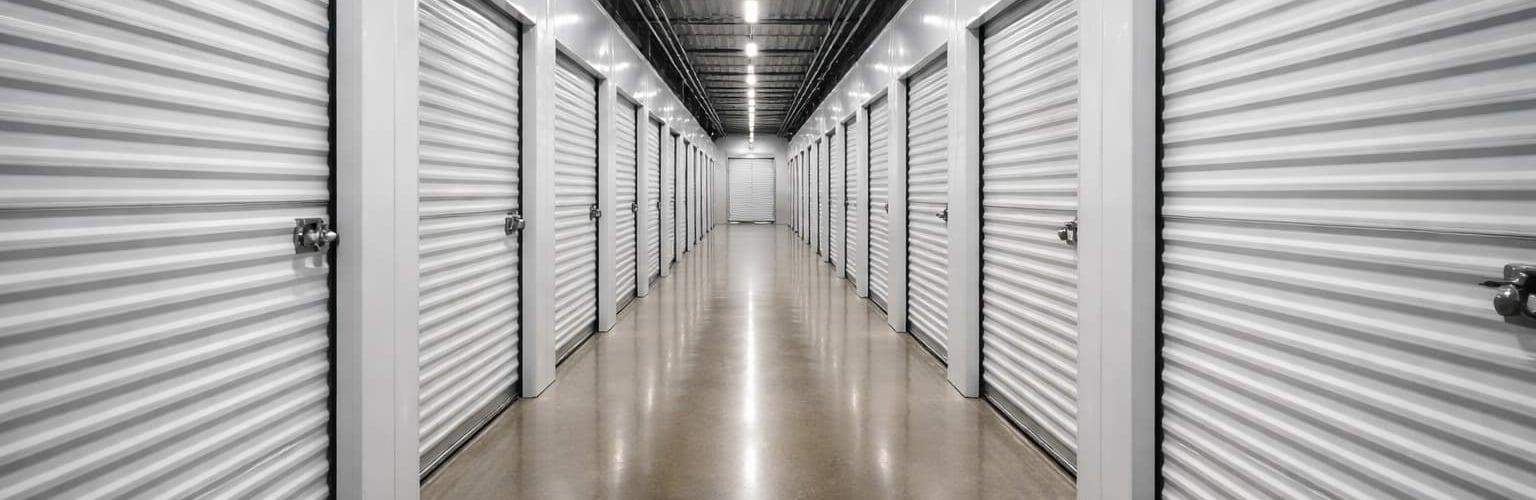
A clean, operating self-storage facility may sit on land once used for automotive, industrial, agricultural or other commercial activity. Environmental diligence looks backward, outward and below the surface.
Self-storage facilities are often built on the edges of communities, along commercial corridors, or in industrial areas where land is cheaper, and other uses may have occupied the property before storage developed. That can make a property's history especially important, because a site that looks relatively low-risk today may have previously been used for automotive, manufacturing, fuel storage, agriculture, or other activities with greater environmental exposure. For a buyer, understanding what happened on the land before the storage facility existed can be just as important as evaluating the business operating there today.
Environmental risk is easy to underestimate at a self-storage property. The current operation may use few chemicals and produce little industrial waste, and the buildings themselves may be newer than the activity that created the concern. The relevant history can involve a former gas station, repair shop, dry cleaner, farm operation, factory, rail use, dumping area, or heating-oil system, and a release from a neighboring property can move onto the site through soil, groundwater, or vapor even if nothing ever happened on the parcel itself.
The goal of environmental due diligence is to understand the property's environmental condition, potential liability, development constraints, and remaining uncertainty before the buyer acquires the real estate.
Start With a Phase I Environmental Site Assessment
A Phase I Environmental Site Assessment is generally the starting point for environmental diligence on commercial real estate. It's a structured inquiry into the property's history and current environmental conditions, built entirely from records, interviews, and observation. Ordinarily, it does not include drilling, soil sampling, or groundwater testing.
EPA recognizes ASTM E1527-21 as a standard that can be used to satisfy federal All Appropriate Inquiries requirements for evaluating a property's environmental conditions and assessing potential liability for contamination.
What the process draws on: historical aerial photographs and maps, city directories and prior addresses, federal/state/local environmental databases, interviews with current and past owners or occupants where available, a site walk, observation of adjoining properties, review of tanks, drums, stains and waste areas, a check for environmental liens or use limitations, and review of any prior environmental reports.
What the finished report should make clear: who engaged the professional and who's allowed to rely on the report, which parcels are actually covered, which ASTM standard was used, the dates each component was completed, whether the report was written with your intended use and development plan in mind, and which areas, if any, couldn't be accessed.
A well-built report follows a fairly consistent structure: a property description, a historical-use narrative, database findings, a discussion of adjoining properties, site observations, a summary of prior reports and agency files, the professional's findings and opinions, a clear statement of any data gaps or excluded areas, and recommendations for further work. Read past the executive summary; the body and appendices are where you see how the conclusion was actually reached and where uncertainty remains.
Take Data Gaps Seriously — But Don't Panic Over Them
A data gap is missing information that affects the inquiry. It isn't automatically a reason to walk away from the deal. Common examples include historical sources unavailable for an important period, former owners who can't be interviewed, locked or snow-covered areas that can't be observed, missing tank or spill records, unclear parcel boundaries, or a regulatory file that hasn't come through yet. Ask the environmental professional whether the gap is significant, whether it limits their ability to form an opinion, and what additional source, inspection, or testing could close it before your diligence deadline.
Reconstruct the Land-Use History
Because the storage operation may have been built long after the use that created any environmental concern, it's worth studying the property's history further back than the current business. Uses that typically justify a closer look include gas stations and fuel distribution, automotive or equipment repair, dry cleaners, manufacturing and metalworking, machine shops and printing, rail spurs and freight yards, landfills and dumping areas, agricultural chemical storage, salvage yards, bulk petroleum storage, wastewater lagoons and floor drains, and former military or government operations. Also watch for changes in addresses or parcel configuration; a facility may sit on several lots with very different histories, or a former operation may have occupied only part of the current property.
Investigate Storage Tanks as a Records Question
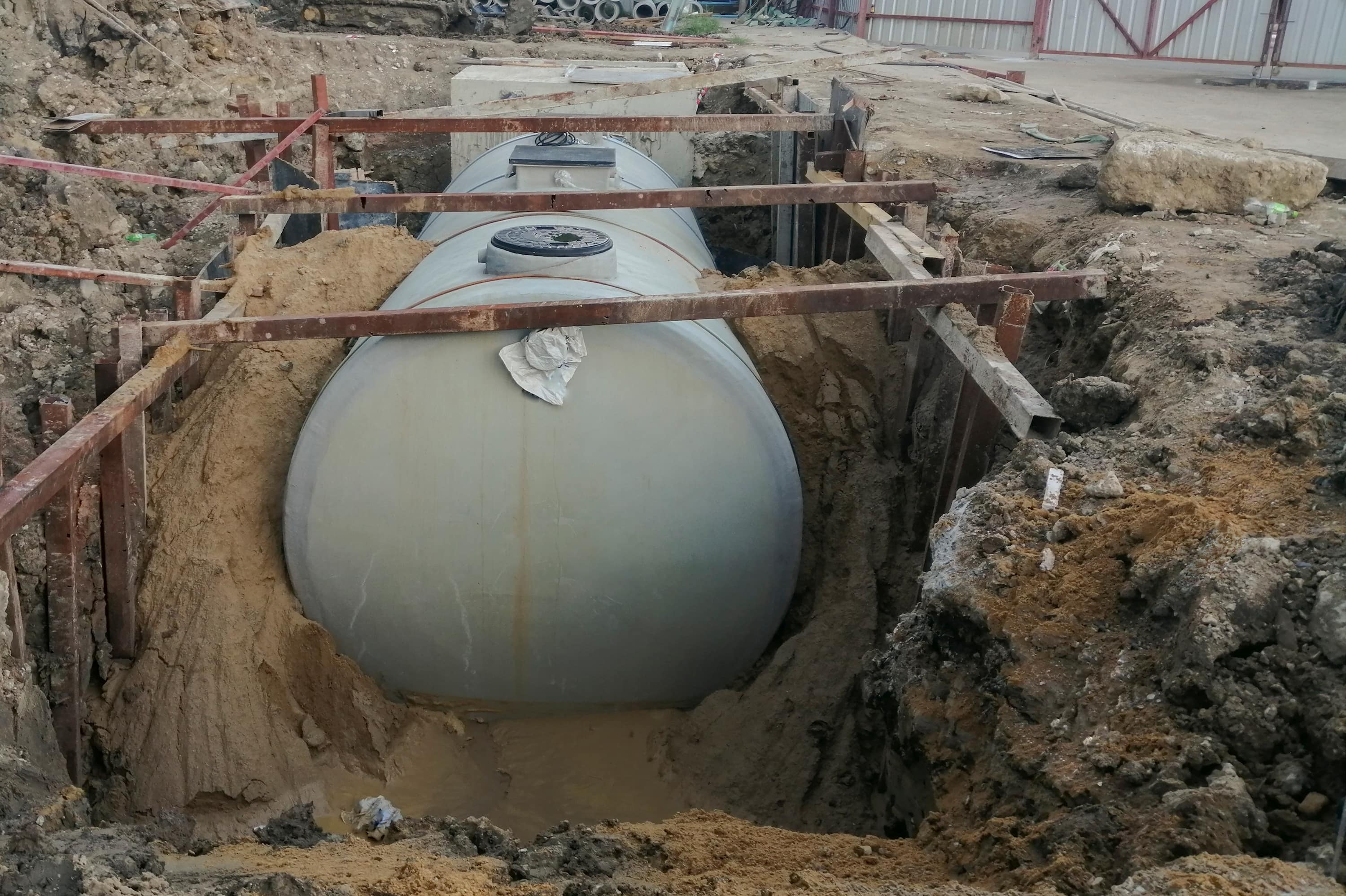
Underground tanks may have held gasoline, diesel, heating oil, or other liquids, and aboveground tanks, piping, and dispensers can create their own release concerns. Within Phase I, this is a records-and-observations exercise: reviewing tank registrations and closure records, installation and abandonment documentation, any release reports, and physical indicators such as piping, fill ports, unexplained concrete patches, or a former boiler or heating system. Where a tank was closed in the past, the file should also show what soil or groundwater sampling was done at that time; this is a historical records review, not new sampling ordered for this transaction. A statement that a tank was "removed" is incomplete without understanding when, how, and under what regulatory process it was removed; if closure sampling was limited or contamination was reported, the professional should explain what concern remains and what follow-up they'd recommend.
Look Outward at Neighboring Properties
Environmental conditions don't stop at the property line. The evaluation should consider the neighboring use, the contaminants involved, distance and direction from your site, groundwater flow, topography and drainage, the regulatory status of any reported releases, and whether vapor migration is a plausible pathway. A database listing alone doesn't establish that your site is affected; the report should explain why a nearby release is or isn't a concern here.
Vapor intrusion is worth understanding as its own pathway: EPA describes it as volatile or semivolatile chemicals in soil or groundwater migrating toward buildings and entering through cracks and openings, whether the source is on your property or next door. Phase I typically identifies this as a question rather than resolving it — soil-gas, sub-slab, or indoor-air testing may be recommended when the Phase I can't answer it on its own.
Know What Falls Outside Phase I
A few categories of risk are commonly assumed to be covered by a Phase I report and aren't. It's worth naming these explicitly so nothing gets missed:
Phase II investigations. A Phase II uses actual sampling or testing — soil, groundwater, soil-gas — to answer a specific question raised by the Phase I, such as a former tank, a stained area, undocumented fill, or a nearby release. It should be scoped to answer a decision question, not run as a generic sampling package. Before testing starts, get the environmental professional, counsel, lender, and contract terms aligned on access, restoration, reporting obligations, and what happens if something is found.
Asbestos and lead-based materials. These commonly fall outside standard Phase I scope, even though they matter enormously for renovation, demolition, worker protection, and disposal cost. Depending on the building's age, a qualified professional may need to separately evaluate roofing, pipe insulation, flooring and adhesives, wallboard and joint compound, fireproofing, coatings, and painted components. A visual note that a material "appears intact" doesn't tell you its composition — sampling and lab analysis are usually needed once the material will be disturbed.
Mold and moisture. Also generally outside standard Phase I scope. This is a separate investigation into the moisture source itself: odor, staining, condensation, active leaks, flood history, HVAC performance, and how long the condition has existed — because treating the surface without fixing the water source just lets the problem come back.
Wetlands. A wetlands review is a different discipline from a contamination inquiry, though it can significantly affect development, drainage and usable area. For sites with low areas, drainage features, standing water or mapped resources, a consultant should look at delineation, jurisdictional waters, required buffers, permitting, and how wetlands constraints interact with your planned construction.
If Contamination Is Known or Suspected
When contamination has already been identified — either on your site or migrating from next door — the follow-up work moves beyond Phase I scope entirely. You'll want to understand the contaminants and likely source, the horizontal and vertical extent of impact, which pathways (soil, groundwater, vapor) are involved, the regulatory agency and case status, applicable cleanup standards, and any groundwater-use restrictions. A "closed" regulatory case can still carry real obligations — excavation or soil-management requirements, monitoring wells, an active remediation system, or restrictions that survive the transaction. Get the actual closure documents and have counsel and the environmental professional walk through what continues after closing.
Loop In Your Development Plans
Environmental risk is tied directly to what you actually intend to do with the property. A condition that's manageable under existing pavement can become a real problem once excavation, new foundations, utility trenches or stormwater work are involved. Give the environmental professional a clear picture of the proposed expansion footprint, where excavation or demolition will happen, planned utility and drainage work, any change in use, and your construction schedule — the conclusion should speak to your real plan, not a generic snapshot of the parcel as it sits today.
Understand What Survives Closing
Some liability protections and regulatory closures depend on what the new owner does after acquiring the property — complying with land-use restrictions, maintaining a cap or vapor system, monitoring, or providing notices. A favorable Phase I conclusion doesn't replace that ongoing compliance obligation. Before closing, document any recorded covenants or deed notices, activity and use limitations, monitoring or inspection requirements, agency access rights, and who on your team will actually own compliance once you're the owner.
Protect the Diligence Period in the Contract
None of the above works without enough time and access built into the purchase agreement. Counsel should confirm the contract allows for the Phase I, agency-file review, and reasonable follow-up — including what happens procedurally if a concern turns up, and whether the schedule lets results actually inform your decision before the deposit becomes nonrefundable.
Track the Timing Rules: the Cover Date Isn't the Whole Story
EPA generally requires the inquiry to be conducted or updated within one year before acquisition, with certain components — interviews, government-record review, the site visit, and lien searches — required within 180 days of acquisition. A report can look current on its cover page while one or more of these components has actually gone stale. If closing gets delayed, track the completion date of each time-sensitive piece against your new expected closing date, and ask what needs to be refreshed.
Read the Environmental Condition Classifications Carefully
ASTM terminology is precise, and it's worth asking for a plain-English translation of whatever classification appears in your report:
- Recognized environmental condition — indicates the presence or likely presence of hazardous substances or petroleum products under circumstances that warrant attention.
- Controlled recognized environmental condition — a condition already addressed through controls or restrictions, but still subject to continuing obligations like maintaining a cap or limiting groundwater use.
- Historical recognized environmental condition — a past release that's been addressed to the satisfaction of the applicable authority, or that meets criteria allowing unrestricted use.
The exact conclusion belongs to the environmental professional, but you should walk away understanding what was released, where, what cleanup happened, which agency was involved, whether closure was issued, and whether any obligation survives the sale.

Don't Simply Inherit the Seller's Old Report
A seller's earlier Phase I can be useful background, but it shouldn't automatically become your final report. A report prepared for another party may carry reliance limitations, and it may predate later operations, spills, nearby releases, or changes to the applicable standard. Confirm who commissioned it, which parcels it covers, when each component was completed, and whether it was written with your transaction in mind — a new report, a reliance letter, or an update may be the right call.
Warning Signs Worth a Pause
A handful of situations should slow you down rather than get waved through:
- You're being asked to rely on a seller's old Phase I without confirming reliance rights or currency
- The report doesn't cover every parcel you're actually acquiring
- Time-sensitive components are stale relative to your closing date
- Important areas of the site couldn't be accessed, or agency files are missing
- A former automotive, industrial or fuel use is dismissed without explanation
- A tank removal is claimed without the closure documentation to back it up
- A nearby release appears in the databases without any discussion of migration or vapor
- A case is called "closed" without summarizing what restrictions or duties continue
- Testing is recommended, but the contract doesn't leave enough time to complete it
- Your development plan involves excavation the report never addresses
- Asbestos, lead, mold or wetlands issues are quietly assumed to be "covered" by the Phase I
None of these are automatic deal-killers. They're a signal that a condition needs a path to resolution — investigation, management, remediation, or a contractual mechanism — before you accept it as part of owning the property.
The Bottom Line
A thorough environmental process doesn't promise that every subsurface condition has been found. What it gives you is a disciplined way to understand the property's history, recognize warning signs, complete focused follow-up, and decide which uncertainty you're actually willing to accept. Before closing, it's worth asking one last question: if the known conditions, controls and recommended investigation become your responsibility the day you close, do you understand the path forward — and do you still want to own the real estate?
Connect with a Self-Storage Lending Specialist
Frequently Asked Questions
1. Does a clean Phase I Environmental Site Assessment guarantee that a self-storage property is contamination-free?
No. A Phase I evaluates risk through records, interviews and visual observation, and generally doesn't include soil, groundwater or vapor testing. A report with no recognized environmental conditions means the assessment didn't identify a condition meeting that classification, based on its scope and the information available — not that contamination is absent.
2. Can a buyer rely on the seller's Phase I environmental report?
It can provide useful background, but it may not give you reliance rights or satisfy your lender's or your own liability-protection needs. Confirm who commissioned it, which parcels it covers, when its components were completed, and whether it addresses your transaction. A new assessment, an update, or a reliance letter may be required.
3. What happens if closing is delayed after the Phase I is completed?
The assessment may need to be updated. Federal All Appropriate Inquiries requirements generally impose a one-year window before acquisition, with certain components required within 180 days. Track the dates of interviews, government-record reviews, the site inspection and lien searches against your revised closing date.
4. When does a self-storage property need a Phase II environmental investigation?
When the Phase I identifies a specific concern that sampling could clarify — a former fuel tank, a repair shop, a dry cleaner, a stained area, undocumented fill, or a nearby release. The testing scope should target that specific issue rather than apply a generic sampling plan.
5. Can contamination from a neighboring property affect a self-storage facility?
Yes. Contaminated groundwater, soil vapor or surface drainage can cross property lines. The evaluation should weigh the neighboring use, the contaminant, distance, groundwater direction, topography, cleanup status and possible migration pathways — a database listing alone doesn't prove your property is affected.
6. Why does a buyer's expansion plan matter during environmental diligence?
Construction can disturb conditions that are otherwise manageable beneath existing pavement or buildings. Excavation, foundations, utility trenches and stormwater work can encounter contaminated soil, groundwater, buried tanks or regulated building materials. The environmental professional should evaluate the property against your actual construction and operating plan, not a generic snapshot of it today.
7. Can a closed environmental case still create obligations for a new self-storage owner?
Yes. Regulatory closure can still come with groundwater restrictions, soil-management rules, recorded covenants, monitoring, a vapor system, or a requirement to maintain a protective cap. Review the closure documents and identify the cost, reporting duties and land-use restrictions that continue after closing.
Source: U.S. Environmental Protection Agency, Brownfields All Appropriate Inquiries; All Appropriate Inquiries Final Rule fact sheet; Vapor Intrusion Resources.
Why Work with First Bank of the Lake
First Bank of the Lake helps business owners nationwide find the financing they need to grow, expand and invest in what comes next. Our experience has made us one of the country’s leading SBA lenders. Since 2023, First Bank of the Lake has ranked among the top 1% of SBA 7(a) lenders, placing 15th nationwide by approval amount and have also ranked as the third most active SBA franchise lender by lending volume, according to the U.S. Small Business Administration.
Founded in 1985, we combine national lending capabilities with the personal attention you would expect from a community bank. Our knowledgeable team takes the time to understand your goals, walk you through your options and support you at every step.
If you are considering financing for your business, we would be happy to answer your questions. Call us at (888) 828-5689 or complete the form above to start the conversation. You can also visit our website or connect with us on Facebook and LinkedIn.